

Acupuncture for Neuropathy & Bell’s Palsy in Austin

Burning feet that interrupt your sleep. Tingling that makes everyday tasks uncomfortable. Facial weakness that changes how you smile. Neurological symptoms can affect much more than one part of your body—they can change how you move through your day.
At Ashra Integrative Medicine in Westlake, Austin, Ashtau Gabriela offers personalized acupuncture for people living with neuropathy and Bell’s palsy. We start with your medical history and the activities that matter to you, then build a plan focused on your comfort, function, and wellbeing.
Book an Initial Visit Schedule a Free Consultation
Promising research on acupuncture for neuropathy
Clinical research is exploring how acupuncture can help people manage nerve-related symptoms:
- Diabetic peripheral neuropathy: A 2023 randomized study found that patients receiving acupuncture reported greater improvements in neuropathy-related complaints and pain than those receiving routine care while waiting for acupuncture. Read the study.
- Neuropathy after chemotherapy: A pilot trial published in JAMA Network Open found improvements in pain, tingling, and numbness after eight weeks of acupuncture compared with usual care. Read the study.
These studies offer encouraging findings for symptom care in specific types of neuropathy. Your diagnosis, health history, and response to treatment guide the approach we recommend for you.
When nerve symptoms disrupt daily life
Peripheral neuropathy affects nerves outside the brain and spinal cord. It may cause burning, tingling, numbness, sensitivity, or pain, often in the hands or feet. These symptoms can make it harder to rest, walk comfortably, or use your hands with confidence.
At Ashra, we can discuss care for symptoms associated with diabetes, chemotherapy, or other diagnosed nerve conditions. Understanding the cause matters: we review your diagnosis, symptom pattern, and current treatment before recommending an approach.
Your goals might include less burning at bedtime, less interference from tingling, or greater comfort during daily activities. We use those priorities to make follow-up conversations specific and useful.
For radiating pain associated with sciatica or other pain concerns, explore our Pain Management page.
Acupuncture support for Bell’s palsy
Changes in facial movement can affect eating, speaking, expression, and confidence. After Bell’s palsy has been medically assessed, we can discuss acupuncture as part of your ongoing care.
We ask when symptoms began, what treatment you have received, and what concerns remain. Your care is tailored to your stage of recovery, facial comfort, and overall health, with attention to the experience of living with these changes.
Continue the medication, eye protection, and rehabilitation instructions provided by your medical team. New facial weakness needs prompt medical assessment before an acupuncture appointment.
Acupuncture during stroke recovery
Stroke recovery is an area of clinical interest at Ashra. We welcome questions about whether supportive acupuncture might fit alongside your existing rehabilitation plan. Recovery after a stroke can involve changes in strength, sensation, movement, and independence. Acupuncture may be considered as an addition to your rehabilitation plan, with treatment goals discussed in the context of your medical care.
At your visit, we review your current abilities, ongoing symptoms, and the guidance you have received from your rehabilitation team. We can discuss concerns such as discomfort, muscle tightness, and the effect of recovery on your rest and wellbeing.
Physical, occupational, and speech therapy remain central parts of stroke rehabilitation. Our role is to consider how acupuncture might fit into that larger plan. Recovery varies, and we do not promise restoration of movement or sensation.
A care plan built around you
Your first appointment gives us time to review your symptoms, health history, medications, and goals. Bring any relevant reports and a list of current treatments. Let us know about areas with reduced sensation, skin wounds, blood-thinning medication, or implanted devices such as a pacemaker.
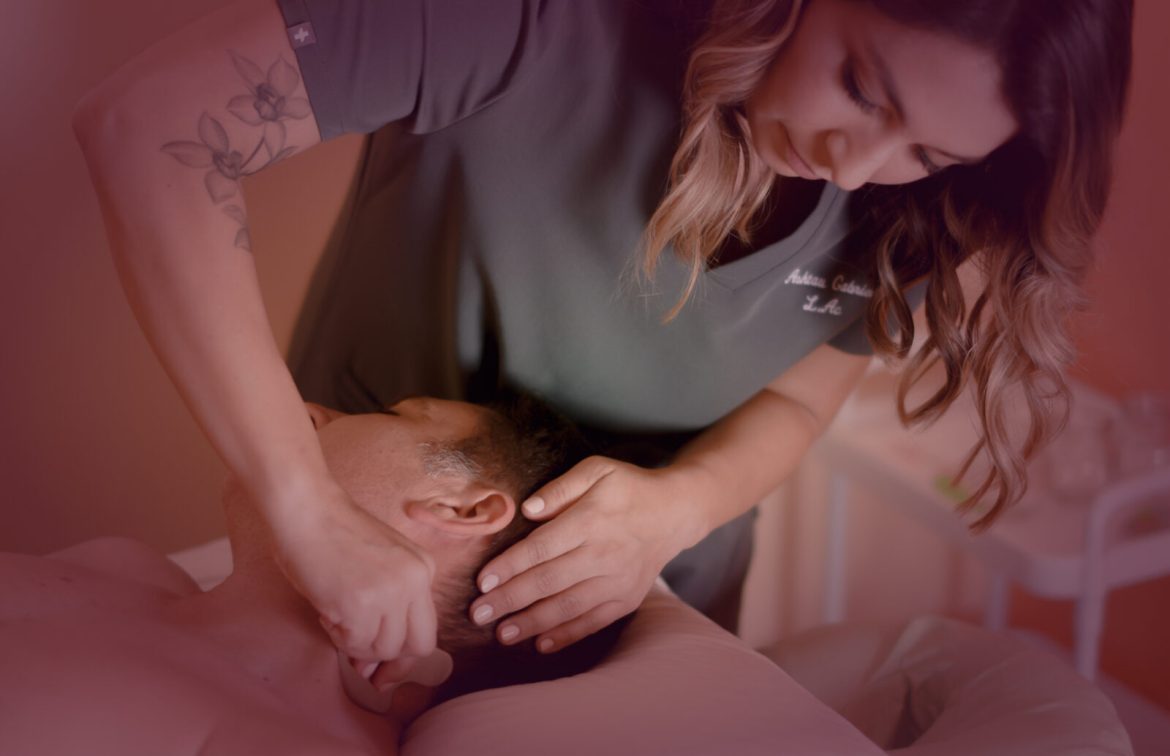
Your plan may include acupuncture, electrical stimulation when appropriate, and selected bodywork or Chinese medicine recommendations. Techniques are chosen for your presentation and comfort; we explain the approach before beginning.
We discuss visit frequency and how we will assess progress together. Follow-ups focus on what has changed in your symptoms and daily life, so your care can adapt as your needs change.
View appointment options and current rates.
Meet Ashtau Gabriela
Ashtau Gabriela is a licensed acupuncturist with a master’s degree in Traditional Chinese Medicine from AOMA Graduate School of Integrative Medicine. Neuropathy, paralysis, and Bell’s palsy are among her clinical interests.
She brings attentive listening and individualized treatment to patients whose symptoms can be difficult to describe. Appointments are available in English, Spanish, and French.
Learn more about Ashtau’s background and approach.
Questions about neurological care?
Learn about treatment frequency, what to bring, electrical stimulation, and care alongside rehabilitation in our Neuropathy & Bell’s Palsy FAQs.
Let’s talk about your next step
Whether your priority is more comfortable nights, easier daily activities, or supportive care during recovery, we can begin with a conversation about your needs.
Book an Initial Visit Schedule a Free Consultation
Ashra Integrative Medicine
2499 S Capital of Texas Hwy, Suite A106, Austin, TX 78746
512-703-0878 Prepare for your first appointment
Sudden facial drooping, arm or leg weakness, or difficulty speaking may be signs of a stroke. Call 911 immediately—even if symptoms improve.
Offerings
Your personalized treatment plan depends on your specific needs and may include any of these offerings. Our approach is centered on addressing underlying causes of any imbalance, utilizing a comprehensive array of therapeutic techniques.




Care that starts with you
Tell us what’s bringing you in. We’ll take time to understand your health, answer your questions, and discuss your care.
